



The Best Quiet Time Routine (Free Printable That Will Save Your Sanity)
Because “quiet time” shouldn’t feel like a mythical creature you’ve only heard rumors about.
Let’s talk about the magical unicorn known as quiet time.
You’ve heard of it. You’ve attempted it. You’ve maybe even bribed your way toward it with snacks, stickers, or mild desperation. But consistent, peaceful, reliable quiet time? That feels like something other moms whisper about while you’re reheating your coffee for the third time.
Here’s the truth: quiet time is not about silence. It’s about structure.
It’s not about forcing stillness. It’s about teaching independence.
It’s not about controlling kids. It’s about creating rhythms that support everyone in the house.
When done right, a quiet time routine gives:
✔ Kids confidence and autonomy
✔ Parents breathing room
✔ Homes emotional reset space
✔ Brains time to process
✔ Bodies time to rest
And no, this isn’t about locking children in rooms and hoping for the best. This is about building a predictable system that kids understand and can thrive within.
Because when kids know what to expect? They rise to it.
And when parents stop winging it? The whole house shifts.
Today we’re diving into:
-
Why quiet time matters
-
How to create a successful quiet time routine
-
What to include in your quiet time printable
-
Age-appropriate expectations
-
Troubleshooting tips
-
Ways to build independence
-
Printable ideas that actually help
-
Reader prompts (because this is a community, not a lecture)
-
And a wrap-up that’ll make you feel like you’ve got this
Let’s build a quiet time routine that feels less chaotic and more calm-with-a-plan.
quiet time routine free printable
Quiet time is amazing, if your kid will do it. My 4 year old is super extraverted and wants to be around people 24/7. I on the other hand, need a break from all people and noise throughout the day or I go crazy. When my son stopped napping I quickly realized that quiet time wasn’t going to be his favorite thing. I tried everything from busy boxes to candy bribery, and in the end just let him watch a bunch of TV on days he didn’t have preschool.
The busy boxes were great, but they didn’t last very long, and were a pain to clean up. It made quiet time seem like a huge chore, and he actually wasn’t that quiet. The candy bribery just made me feel like a terrible mom because every five seconds he would come ask for more and I’d give in, just wanting him to leave me alone. The TV was amazing. He could watch for four hours straight, but I of course felt like an even worse mom because it was all he ever wanted to do once he got in the TV “zone”.
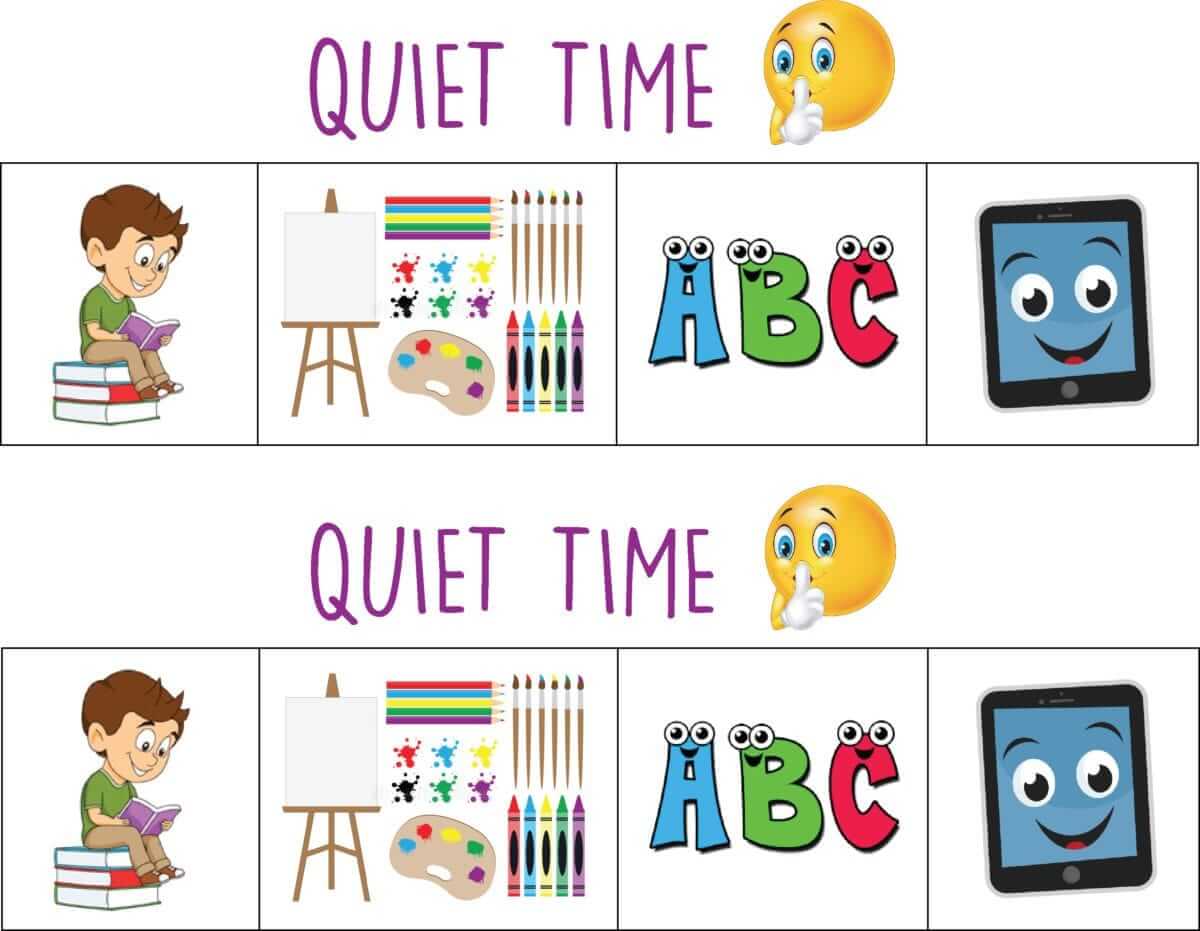
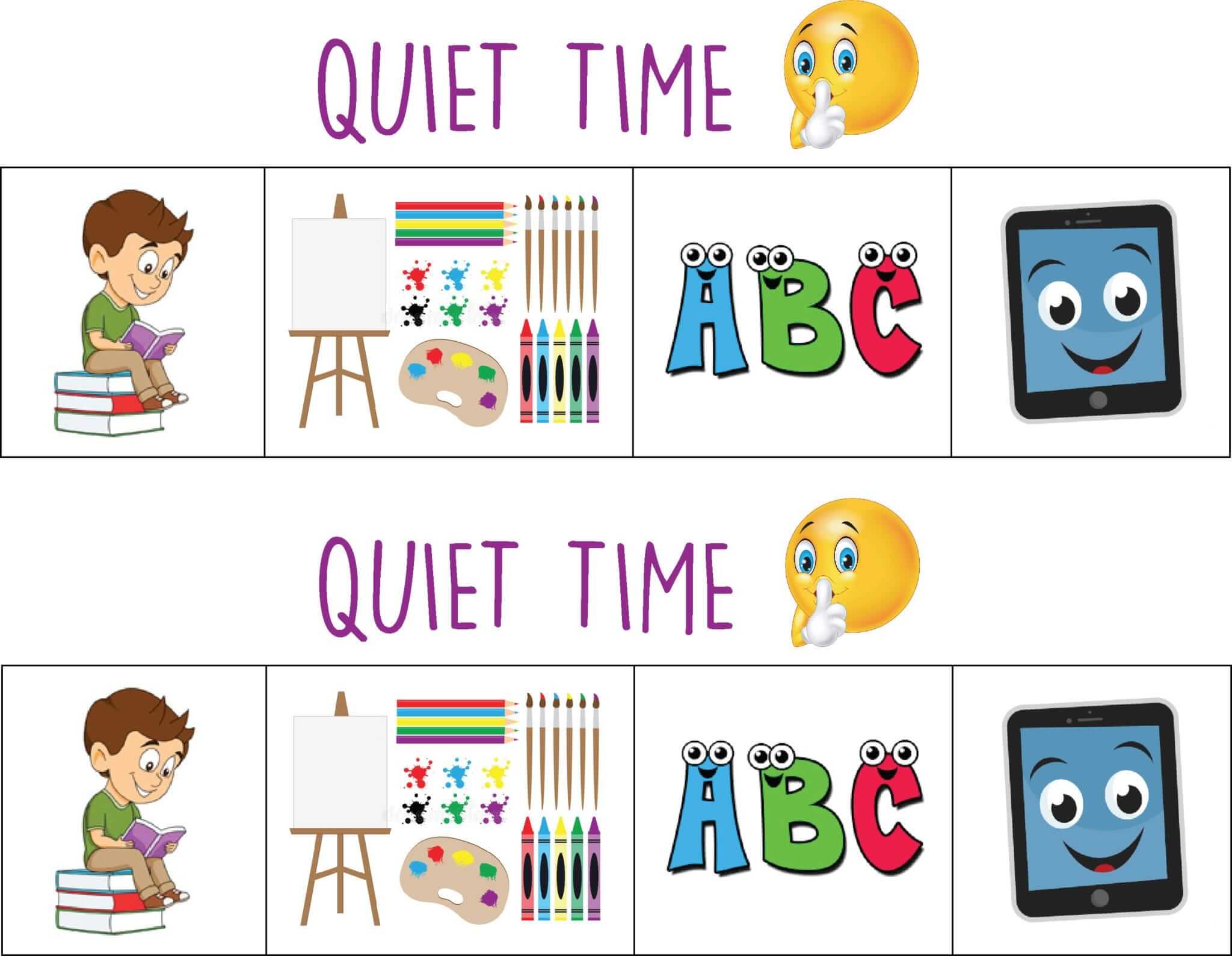
I bounced back and forth between the three of these methods for about a year and tried a few other things but nothing was really working. Preschool was the only thing that was saving me. Then my 18 month old went through a no-nap stint and I seriously didn’t know if I would survive!! Luckily I had a spark of inspiration and realized quiet time could be a ROUTINE. I thought about all the things they actually do that are quiet and figured that maybe if they switch off between them, they’d like it a lot more.
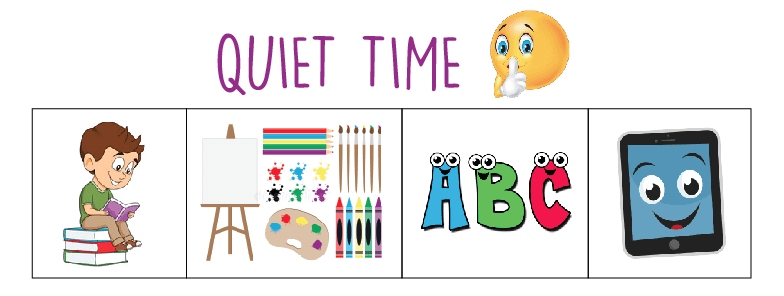
I think of it like stations. Each station lasts for about a half hour, giving me two full hours of uninterrupted (for the most part) quiet time. I’ve been doing it for over a month now and IT IS MAGIC!!
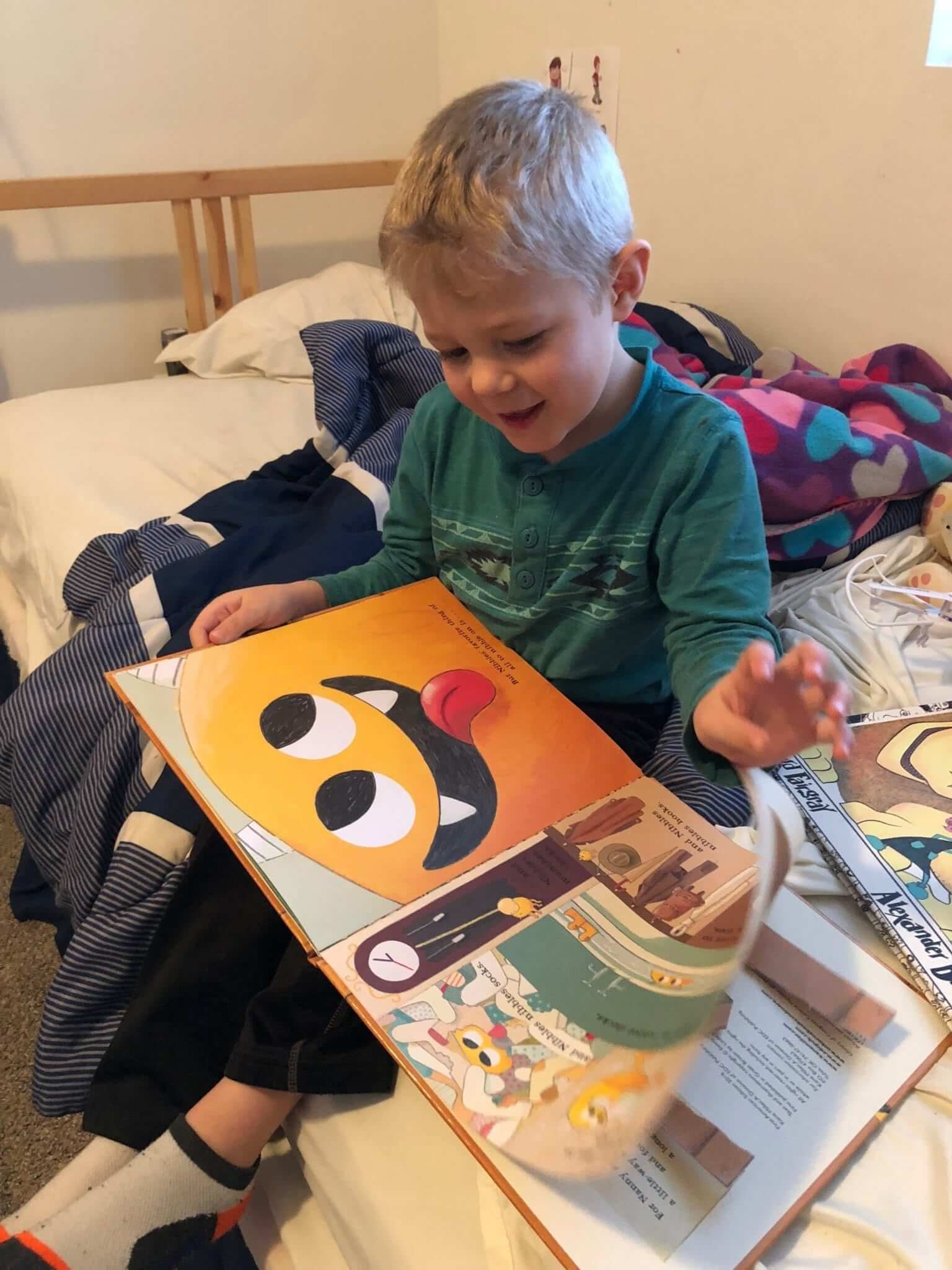
The first station is reading books in their rooms with the door shut. They can play with any toys that are already in there too as long as they’re quiet. This gives me a sure, immediate break. (sometimes I reward them with juice or a snack and my 4 year old thinks it’s the coolest thing to get to take it in his room)
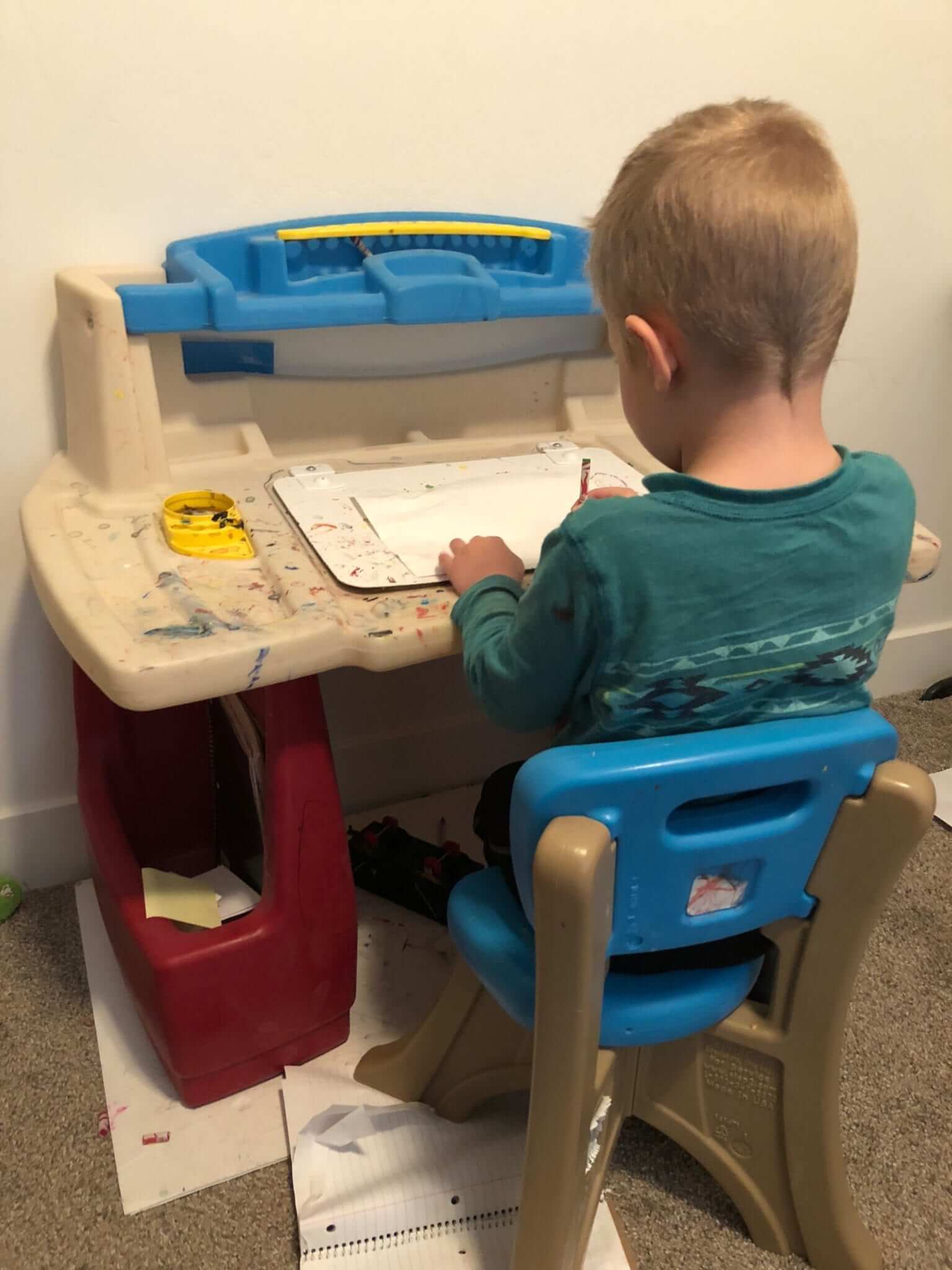
The next station is doing an art project. I have a little kids desk set up in my office so they can come paint, color, or do play-do while I work on whatever I need to. This is the “loudest” part of quiet time and they occasionally ask me to help them do something, but because i got a good half hour of them in their rooms I can handle it. I keep any sort of play-do or art supplies in a bin in my office for easy cleanup.
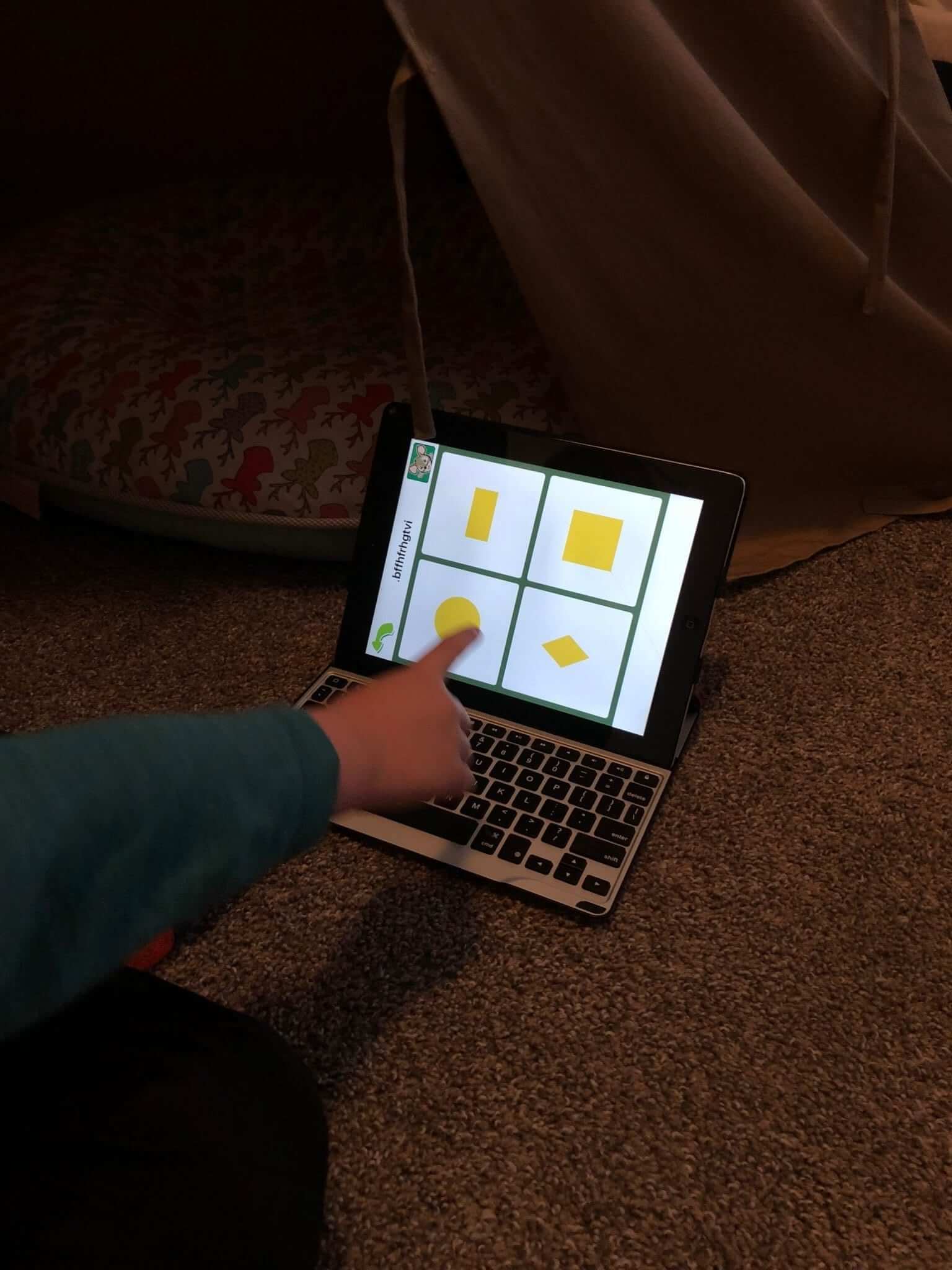
The third station is doing something educational on the ipad. I have a few educational apps downloaded and he can choose which one he wants to do.
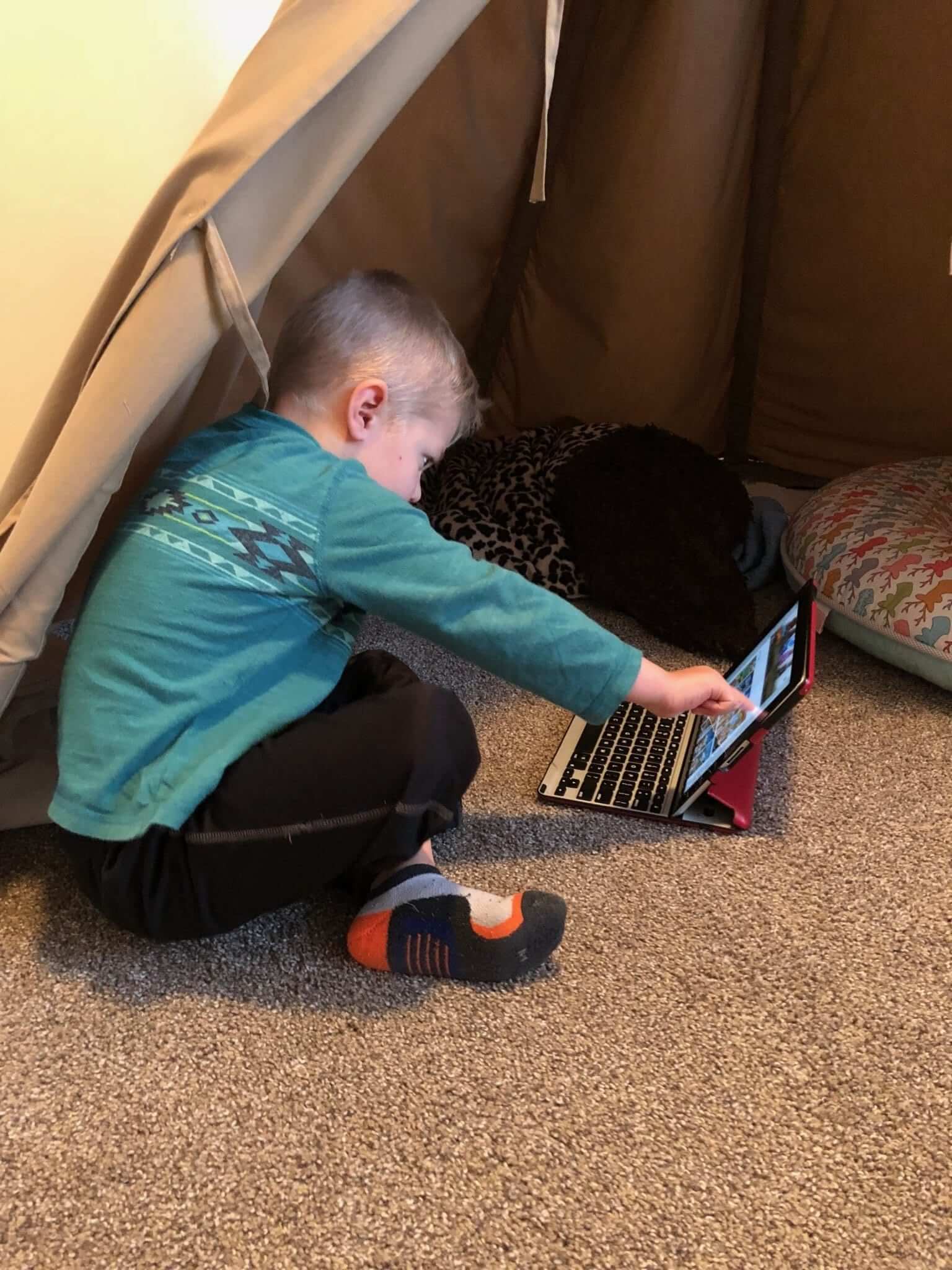
The fourth station is the biggest reward in my 4-year-olds eyes. If he’s been quiet through all the other stations then he gets to watch whatever show he wants. Having this last is definitely the key to success, and it allows you to let them binge for a minute if you have a lot to get done, without feeling like you let them watch hours upon hours.
Why Quiet Time Is Essential (Even If You Think It Won’t Work for Your Kids)
Let’s normalize something: children need decompression just as much as adults.
Their days are packed with stimulation — school, siblings, screens, noise, expectations, learning, movement, emotions. Quiet time isn’t a luxury. It’s regulation.
When kids practice quiet time daily, they develop:
✨ Emotional self-regulation
✨ Independent play skills
✨ Focus stamina
✨ Creative thinking
✨ Calm transitions
And bonus? You get:
☕ A coffee that stays warm
📧 Time to answer emails
🧺 A chance to fold laundry without refereeing
🧠 Mental clarity
Reader check-in: When was the last time you had 20 uninterrupted minutes at home? Be honest.
What Makes a Quiet Time Routine Actually Work
Spoiler: It’s not yelling “Go play quietly!” from the kitchen.
A successful quiet time routine has five ingredients:
1. Clear Expectations
Kids need defined boundaries. Where do they sit? What can they use? How long is it?
2. Visual Structure
Printables help. Charts help. Timers help. Kids respond to visuals more than lectures.
3. Consistency
Same time daily builds habit.
4. Limited Choices
Too many options = overwhelm. A curated basket works wonders.
5. Positive Reinforcement
Celebrate when they succeed.
How to Set Up Your Quiet Time Routine
Let’s build this step by step.
Step 1: Choose the Time
Post-lunch works beautifully. Energy dips naturally. It becomes a daily rhythm.
Step 2: Set the Duration
Start small:
-
Toddlers: 15–20 minutes
-
Preschoolers: 20–30 minutes
-
Early elementary: 30–45 minutes
Work up gradually.
Step 3: Create a Quiet Time Space
This can be:
-
Bedroom floor
-
Reading nook
-
Corner with pillows
-
Blanket fort (yes please)
Make it inviting, not punitive.
Step 4: Create a Quiet Time Basket
Include:
-
Books
-
Coloring pages
-
Puzzles
-
Soft toys
-
Journals
-
Lego builds
Rotate items weekly to keep interest fresh.
You can create your own Quiet Time Routine based on your children’s interest, or use this free printable. I would love to hear how it goes so definitely let me know! Also if you’re having a hard time finding freedom in motherhood, check out our Motherhood challenge!
 Your Closest CHEERLEADERS!
 We are your big sisters , cheerleaders , and confidence boosters in building a happy home. We are the Lou Lou Girls!


This is amazing! Great blog not only for children, but for adults as well. I don’t have children, but the whole time reading, I was making my own quiet time schedule to be more productive. Where is the adult? Oh, I am the adult.. ha ha.
My stations:
1. Read – I have fallen behind on my goals this year! Need to push through 5 books. I’m on a stop and go battle with “100 years of solitude”
2. Painting – I must finish a few pieces before mid October. I’m a busy bee; must stop and paint!
3. Computer time – My blog needs more than once a week love.
4. TV – catching up on Netflix is always a great reward!